
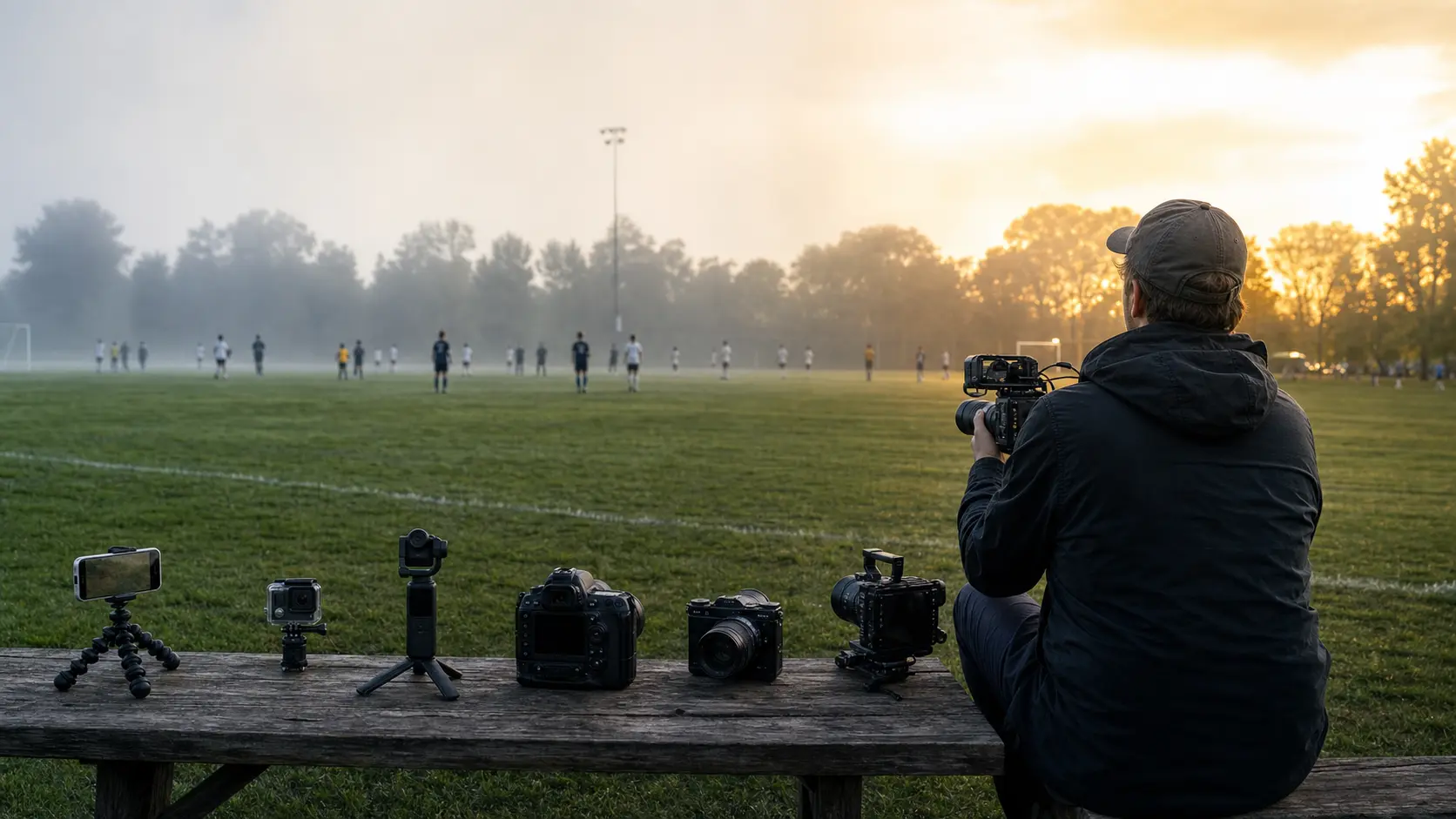
The final whistle had blown, but my night was only beginning. On the card were nearly 100 gigabytes of 6K/60p footage from my Nikon ZR—more than 100 separate video files from one youth game. Somewhere inside them were the moments I could still see clearly in my head: a run that opened the field, a tackle that changed possession, the celebration that lasted barely two seconds.
Finding those seconds meant opening files, dragging through timelines, backing up, checking the next clip, and trying not to lose the thread. By the time I finished one video of my own child, an entire evening could disappear. Then another game would arrive.
I thought better cameras would solve youth sports video. They solved the image. They did not solve the life around the image.
From a phone to a cinema camera
I started filming when my child was nine. By thirteen, I had tried almost every kind of camera that seemed capable of making the job easier: phones, action cameras, gimbal cameras, DSLRs, mirrorless cameras, and eventually a cinema camera.
Every upgrade was logical. A phone was always available. An action camera was small and rugged. A gimbal promised smooth movement. A DSLR gave me better lenses. Mirrorless systems made high-quality video more practical. The Nikon ZR gave me the detail and flexibility of 6K/60p. Each tool fixed something I could see: shake, reach, low light, autofocus, resolution, or color.
But the better the footage became, the more expensive it was in attention, storage, and time. I had confused image quality with a workable process. The two are related, but they are not the same.
The three jobs hidden inside “filming the game”
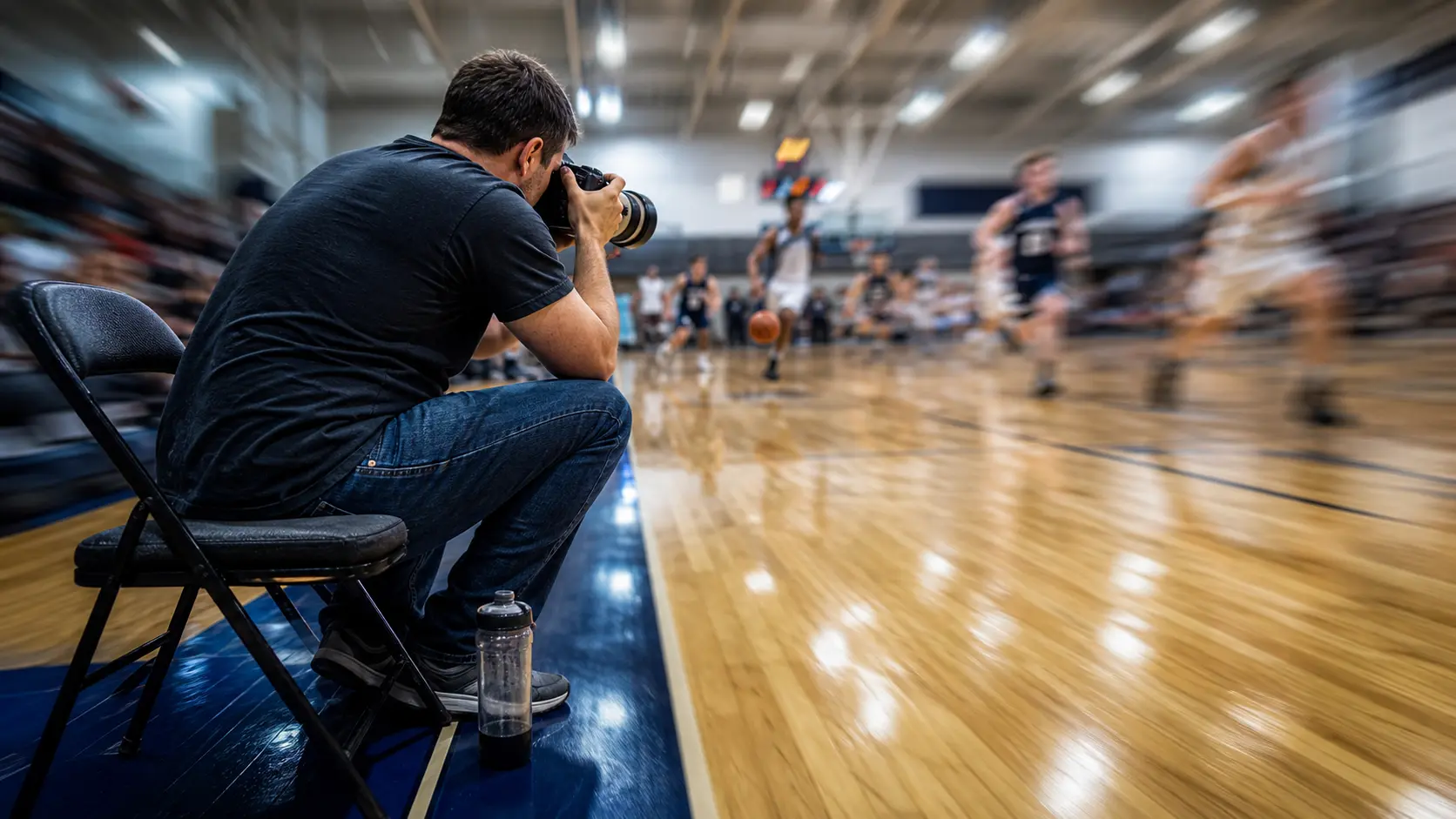
People see someone holding a camera and think the work is recording. In reality, I was doing three jobs.
First, I had to stay intensely focused for the entire game. Sports do not give warnings. If I relaxed during a quiet possession, the decisive move could happen before I brought the camera back up. I watched the game through a frame, anticipating where the ball and my child might go next. I was present, but I was not experiencing the game like the parents around me.
Second, I had to find the important moments inside an ocean of footage. A good play might last five seconds. The material around it could run for hours. File names told me nothing. Memory helped for a while, but after a hundred clips, similar uniforms and repeated possessions began to blur together. Finding one highlight felt like searching the ocean for something I had dropped while the waves were still moving.
Third, I had to edit. Finding a play was not the finished story. It still needed a beginning, an ending, pacing, maybe reframing, and a final check. Editing was the part with no natural stopping point. There was always one more cut I could improve, one more clip I might have overlooked. A single video could consume the whole night.
If you film youth sports, this sequence may sound familiar. The practical techniques in our guide to handling sports footage help, but I had reached a scale where better habits alone were no longer enough.
Seven drives—and a compromise I hated
Over those years, I bought seven drives: three 4TB mechanical hard drives and four 2TB solid-state drives. Twenty terabytes of capacity sounds enormous until games, backups, exports, and duplicate project files begin to accumulate. Storage does not only cost money. It creates decisions: what stays fast, what moves to an archive, what gets duplicated, and what can be deleted without regret.
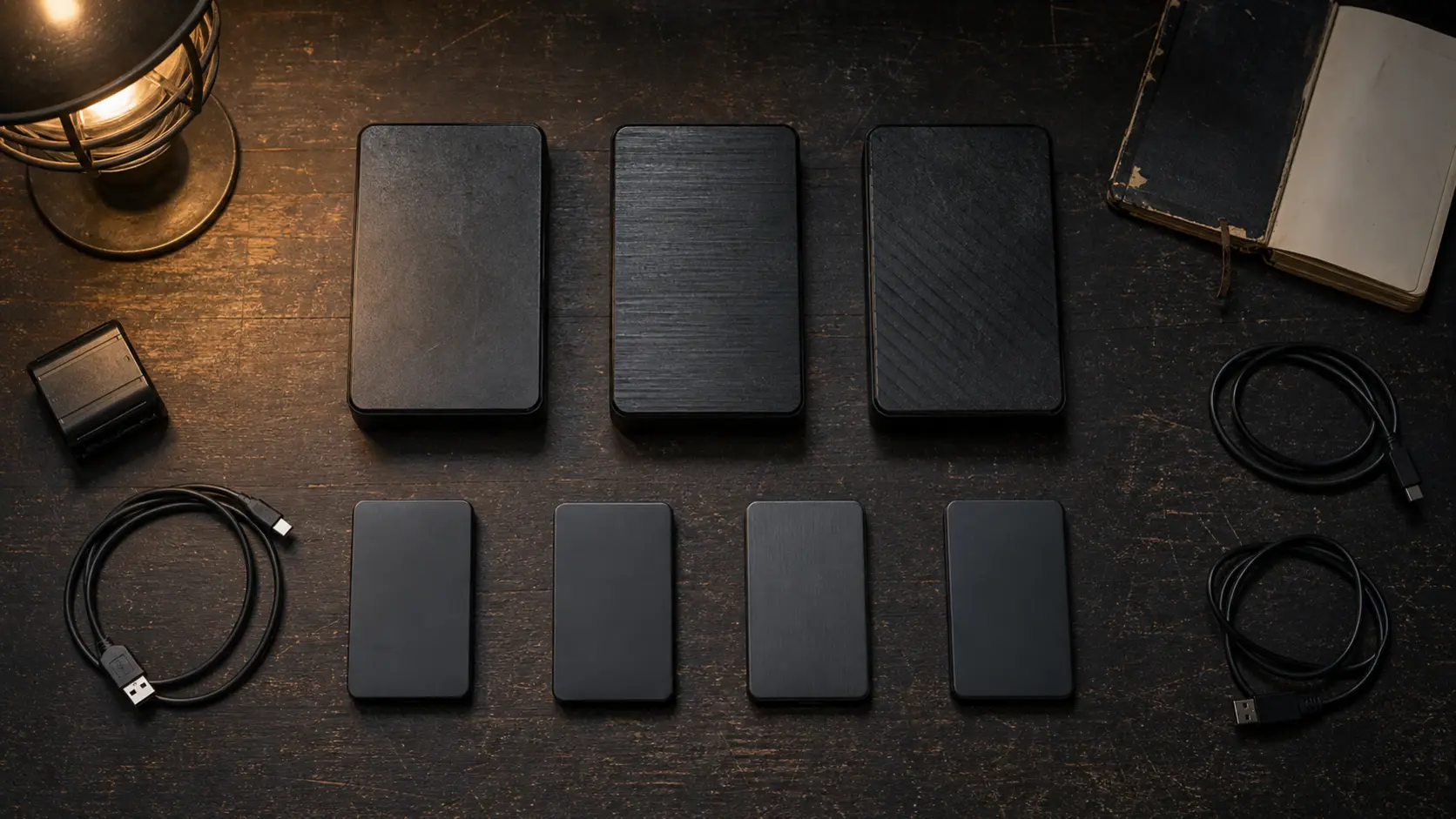
The Nikon ZR made the contradiction impossible to ignore. One game at 6K/60p could approach 100GB. The picture was the best I had ever captured, but I had started rationing reality to make it fit on a drive.
Sometimes I stopped recording when our team was defending. It felt like a rational place to save space. Offense was more likely to produce the moments families asked for, so I kept the camera down and waited. Of course, sports do not honor your storage strategy. A great defensive play, a recovery, or the beginning of a counterattack could happen while I was trying to be efficient.

That was the point when the problem changed for me. This was no longer about whether my camera could capture the game. It was whether the total workflow could survive the amount and quality I wanted to capture.
The game ended. The work did not.
There is a particular kind of fatigue that arrives after everyone else has gone home. The kit is packed. The child is asleep. The house is quiet. You are still at a desk, listening to the same whistles through headphones and scrubbing across another nearly identical possession.
I was a one-person crew. There was no assistant logging clips, no editor waiting for a handoff, and no media manager organizing cards. Every decision passed through me. That was manageable for one special game. It became punishing when the games formed a season and the seasons became years.
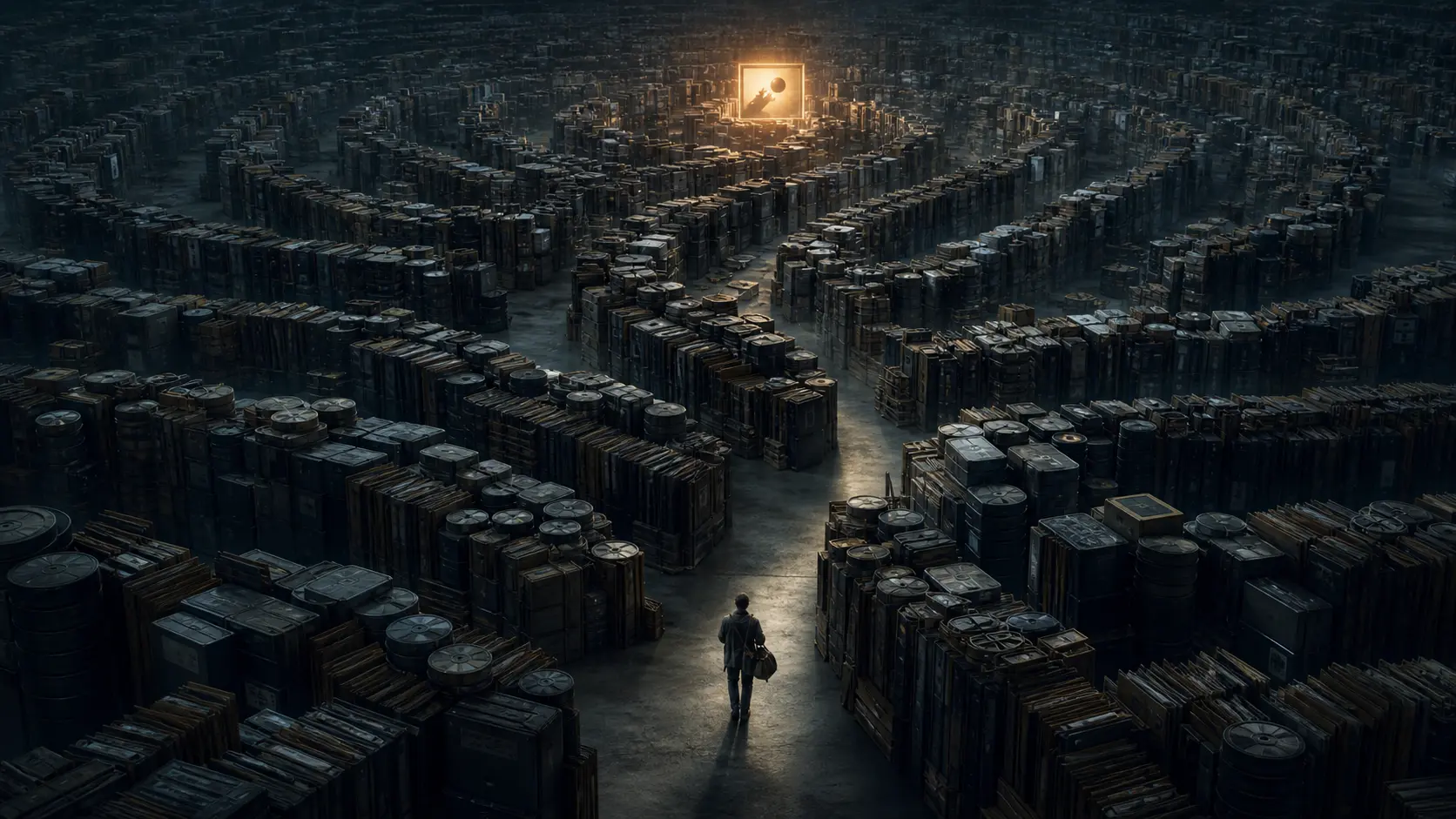
The hardest part was knowing the material mattered. These were not anonymous files. They were years of effort, friendships, setbacks, and growing up. That made careless deletion impossible—and made the backlog feel personal.
What changed with the QShot Studio beta
QShot gave me early access to a private Mac beta of QShot Studio. The idea fit the way I already wanted to work: record on the camera, mark meaningful moments while the game was happening, scan the footage folder on the Mac, review the matches around those markers, and export the clips I wanted.
In one of my own tests, QShot Studio turned roughly 100GB of Nikon ZR footage—more than 100 files from a single game—into a structured set of matched, reviewable clips around the moments I had marked. Instead of beginning with a blank timeline and an undifferentiated folder, I began with the decisions I had already made at the field.
That distinction matters. QShot Studio did not make the final editorial decisions for me, and it did not replace Final Cut Pro. It got me from a 100GB folder to a reviewable cut list. I exported the clips, brought them into Final Cut Pro, made a few final trims, and had my version ready in about ten minutes that night.
A note on that result: The ten-minute finish was my experience with this game, camera setup, Mac, and tagging workflow. It is not a guaranteed processing or editing time for every user or format. QShot Studio was a private beta when I used it.
What felt unbelievable was not that software had made a movie for me. It was that the dullest part of the job—trying to rediscover every decision after the game—had stopped dominating the night. The first edit had begun while I still understood what each moment meant.
I could finally make more than one video
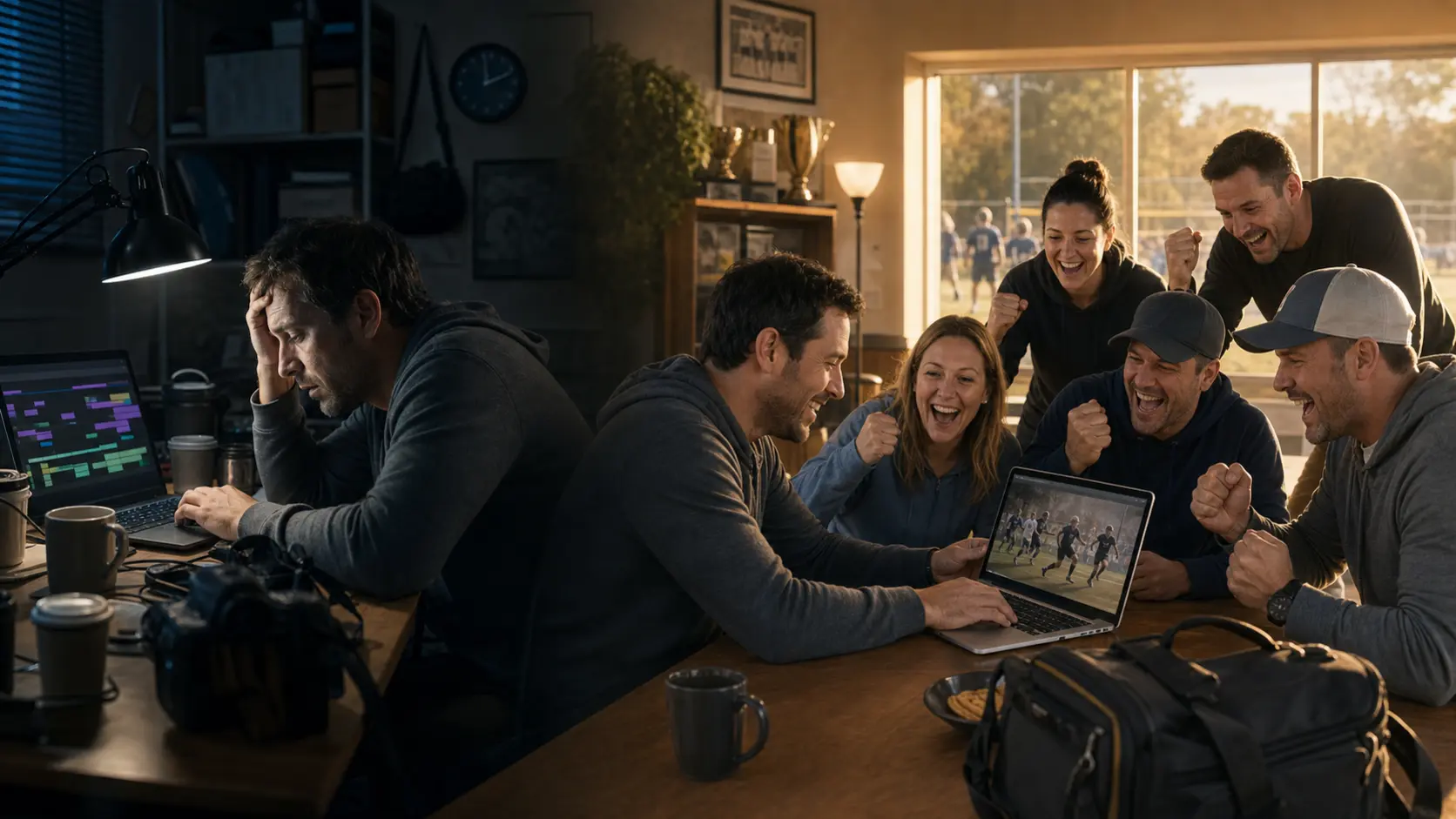
For years, finishing a video for my own child had used up the time and energy I had. I might have captured a teammate’s best play, but turning it into something shareable meant starting another search, another timeline, another late night.
With a more structured review, I could make videos for teammates too. Their reactions changed the atmosphere around the footage. Kids replayed the moments with each other. Parents saw plays they had missed from the sideline. The team got excited all over again. That made the effort feel larger than my own family archive.
Filming is still hard. I still have to carry the equipment, choose a position, follow the play, and stay focused. QShot cannot stand on the sideline for me, and I would not want it to make every creative decision. But it addressed the three bottlenecks that had worn me down: remembering what mattered, finding it again, and getting the right pieces into an editor.
The camera was never the hard part
If I could speak to the parent I was four years ago, I would not tell him to stop caring about cameras. Better tools do matter. I would tell him to design the whole path before collecting more pixels.
- Decide what matters during the game. A useful marker preserves more than a timestamp; it preserves your reason for caring.
- Treat storage as part of the workflow. Resolution, frame rate, backup, and review time are one decision, not four separate ones.
- Keep the human edit. Software can surface and organize material, but the story still comes from context, taste, and the people in it.
- Build a process you can repeat. The best setup is not the one that survives one heroic all-nighter. It is the one you can use again next weekend.
I began filming because children grow faster than memory feels capable of holding. From nine to thirteen, the athlete changed, the game changed, and my cameras changed. The reason I kept showing up did not.
Now I can leave the field tired from filming without knowing that another entire shift waits at home. I can make something for my child, then find the moments teammates want too. The work is still real. It is simply pointed toward the part that deserves it.
Capture. Organize. Start the reel—at the same time.
See how QShot connects live markers with a faster review and export workflow, while you keep the final editorial call.
See the QShot workflow